The Role of Medication in Mental Health Treatment

By Dr. Smita Patel
Medication plays a crucial role in the treatment of mental health disorders, offering various therapeutic benefits tailored to individual needs. This article explores how "psychiatric medication management" supports patients by improving their overall mental health and quality of life. With effective medication strategies, individuals experiencing mental health challenges, such as anxiety and depression, can enjoy better symptom control and stabilization. Throughout this piece, we will examine the importance of medication management, the types of medications utilized, strategies for effective treatment outcomes, and how patients can prepare for consultations. By understanding these aspects, readers can gain insight into the complexities of mental health treatment and the vital role medications play.
Importance of Medication Management
Effective medication management is paramount in addressing mental health disorders, influencing patient outcomes and therapeutic success. It involves the careful selection, monitoring, and adjustment of psychiatric medications based on individual responses and needs. Good management allows for personalized adaptations to treatment plans, fostering strong therapeutic relationships between psychiatrists and their patients. Furthermore, ongoing monitoring helps identify side effects early, allowing for timely intervention, which can be critical in ensuring the best treatment results.
Dr. Smita Patel, specializes in comprehensive psychiatric evaluation and medication management, primarily serving patients in Washington DC and the surrounding areas. With her expertise in "psychopharmacology", she effectively applies various psychiatric medications to treat conditions like anxiety, depression, and bipolar disorder, ensuring that each patient receives care tailored to their specific mental health needs.
Types of Medications Used
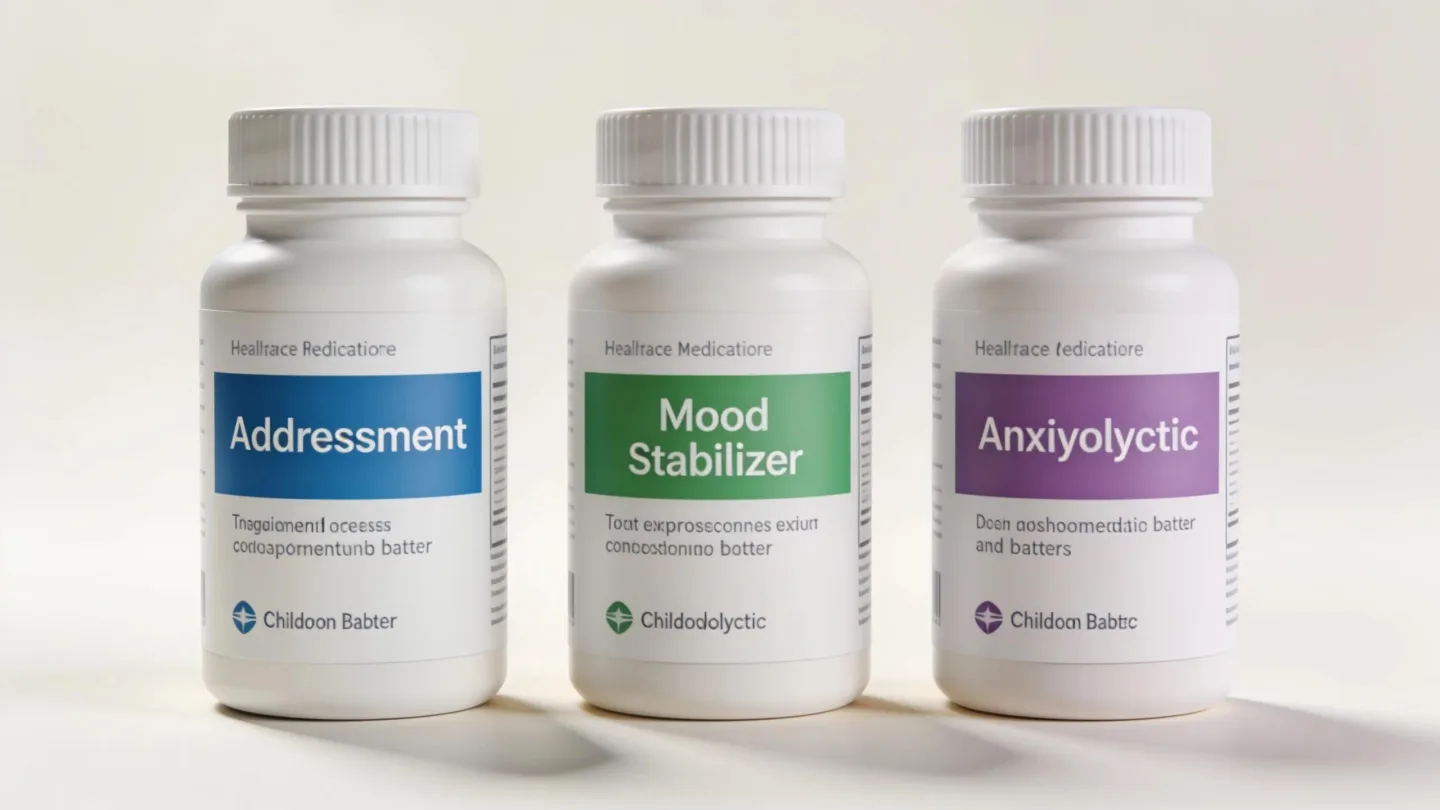
In psychiatry, a diverse range of medication types is deployed to manage various mental health conditions effectively. These medications are categorized primarily into three classes:
- Antidepressants: Commonly used for treating depression, these drugs work by balancing neurotransmitters in the brain, improving mood and emotional well-being.
- Mood Stabilizers: Specifically effective for individuals with bipolar disorder, mood stabilizers help prevent extreme mood swings.
- Anxiolytics: Primarily prescribed for anxiety disorders, these medications are designed to alleviate intense feelings of anxiety and panic.
| Medication Type | Condition | Potential Benefits |
|---|---|---|
| Antidepressants | Depression | Improved mood and reduced depressive symptoms |
| Mood Stabilizers | Bipolar Disorder | Stabilization of mood and prevention of manic episodes |
| Anxiolytics | Anxiety Disorders | Reduction of anxiety symptoms and promotion of calmness |
Understanding the different medication types enables healthcare providers to deliver targeted therapies that enhance patient outcomes.
How Does Dr. Smita Patel, Approach Personalized Medication Management?
Dr. Smita Patel emphasizes a personalized approach to medication management, beginning with comprehensive evaluations to understand each patient's unique experiences and symptoms. Her methodology incorporates "mindfulness techniques" to help patients engage with their treatment plans actively. Throughout the treatment process, Dr. Patel continuously adapts medication strategies as needed, fostering a collaborative environment where patient feedback is valued. This personalized care strategy not only addresses the medical needs of patients but also supports their emotional and psychological well-being.
Which Mental Health Conditions Benefit Most from Medication Management?
Various mental health conditions profoundly benefit from effective medication management, particularly those that involve significant mood and anxiety dysregulation. For instance, bipolar disorder is often managed successfully through mood stabilizers and antipsychotic medications. Depression treatments incorporate antidepressants, which help modulate serotonin and norepinephrine levels in the brain to improve symptoms. Additionally, medications for anxiety disorders often include anxiolytics or SSRIs, which provide substantial symptom relief. By identifying the right medications for these conditions, practitioners can significantly enhance the quality of life for their patients.
What Are the Common Psychotropic Medications Used in Treating Anxiety, Depression, and Bipolar Disorder?
Common psychotropic medications encompass a wide spectrum aimed at addressing the symptoms of anxiety, depression, and bipolar disorder:
- Selective Serotonin Reuptake Inhibitors (SSRIs): Frequently prescribed for depression and anxiety disorders, SSRIs improve mood by increasing serotonin availability in the brain.
- Benzodiazepines: Primarily used for acute anxiety relief, these medications act quickly to provide calming effects.
- Atypical Antipsychotics: Useful for managing both mood stabilization in bipolar disorder and certain types of depression, these medications target multiple neurotransmitters.
Understanding the classification and specific applications of these medications is crucial for optimizing treatment plans and enhancing patient outcomes.
Strategies for Effective Treatment Outcomes

To ensure the highest efficacy from psychiatric medications, several strategies can be employed. First, early intervention is critical, as prompt treatment can lead to significantly better long-term outcomes. Additionally, combining medication therapy with psychotherapy often yields superior results compared to medication alone. Collaborative efforts with various healthcare providers ensure that a comprehensive treatment plan is developed, addressing all aspects of a patient's mental health. Ongoing communication and feedback between psychiatrists and patients remain essential in fine-tuning treatment, allowing for necessary adjustments in dosages or medication types as patients progress in their recovery.
Maintaining consistent engagement with the prescribed regimen is vital for long-term success in psychiatric recovery.
Strategies for Enhancing Medication Adherence in Mental Health
treatment is a critical period to enhance medication adherence. Finally, people receiving polypharmacy may need to be monitored Identifying longitudinal medication adherence patterns of antipsychotic treatments: a real‐world cohort study in Catalonia,
Spain, C Cahir, 2025
How Is Medication Used in Managing Autism Spectrum, Developmental Disabilities, Eating, and Gender Identity Disorders?
Medication management in specialized populations requires unique approaches tailored to individual needs. For individuals with Autism Spectrum Disorder (ASD) and developmental disabilities, medications may be used to address co-occurring conditions such as anxiety, depression, or ADHD. These patients often require ongoing assessments to determine the most effective treatment options.
In cases of eating disorders, pharmaceutical interventions may include SSRIs and other medications to help regulate the underlying psychological issues associated with these conditions. Additionally, when addressing gender identity disorders, careful consideration is given to hormone therapies that align with a patient's identity, necessitating sensitive and informed medication strategies.
What Specific Medication Strategies Are Employed for Developmental and Eating Disorders?
For developmental disabilities, an integrative treatment approach is crucial. Targeting underlying issues such as anxiety and depression often involves using anxiolytics or antidepressants to help stabilize mood and behavior. Collaboration among multidisciplinary teams ensures that treatment approaches are comprehensive and well-rounded, catering to the patient's developmental needs.
Healthcare professionals often utilize specialized pharmacological interventions to manage irritability and agitation in diverse patient populations.
Effective Medication Management in Multimodal Psychiatric Care
Medication treatment targeting symptoms of irritability and agitation can be very helpful within this multimodal treatment 7.6 Assessment and Management of Anxiety in Youth With Autism Spectrum Disorder, 2016
In treating eating disorders, it is essential to employ monitoring methods that assess both psychological and physiological response to treatment. SSRIs have been shown to be effective in reducing the compulsive behaviors associated with eating disorders, providing patients with additional support as they work towards recovery.
How Does Psychiatric Medication Assist in Gender Identity Disorder Treatment?
In managing gender identity disorders, psychiatric medication plays a supportive role alongside counseling and psychological support. Hormone therapies are often central to treatment, allowing individuals to align their physical bodies with their gender identity. Additionally, careful management of medications, such as antidepressants, can be crucial in addressing co-occurring mental health issues like anxiety and depression that may arise during gender transition processes.
How Can Patients Prepare for a Psychiatric Medication Consultation with Dr. Smita Patel?
Preparing for a psychiatric medication consultation involves several key steps that can facilitate effective communication between patients and healthcare providers. Patients should gather relevant personal information, including their current medications, medical history, and symptomatic experiences, before the appointment. Having a list of questions ready, such as inquiries about potential side effects or alternative treatments, can enhance the dialog significantly.
What Questions Should Patients Expect During a Psychiatric Medication Evaluation?
During a psychiatric medication evaluation, patients can anticipate being asked several important questions aimed at understanding their mental health status and treatment goals. These can include:
- Current Symptoms: Unpacking the nature and duration of their symptoms to evaluate need for pharmacological intervention.
- Medical History: Gathering information regarding past treatments and any side effects experienced.
- Treatment Goals: Discussing what patients hope to achieve with medication management, allowing practitioners to tailor treatment effectively.
In preparing for consultations with Dr. Patel, patients set the stage for optimal engagement in their mental health care.
How Does Ongoing Medication Monitoring Improve Treatment Outcomes?
Ongoing medication monitoring is integral to achieving positive treatment outcomes in psychiatric care. Regular follow-ups enable healthcare providers to assess how well the prescribed medications are working, identifying any necessary adjustments based on patient feedback. This not only helps in maximizing the effectiveness of medications but also empowers patients, fostering a sense of involvement and agency in their treatment journey. Regular monitoring ultimately leads to the development of long-term, effective treatment strategies that enhance the overall quality of care.